Notes from the Thatched Study of Close Observations
A classic Qing dynasty collection of ghosts, spirits, strange encounters, and moral wonders - now presented in English translation.
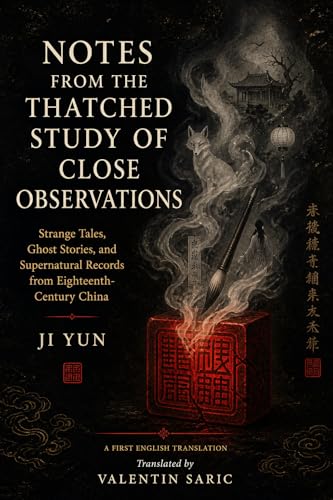
Notes from the Thatched Study of Close Observations by Ji Yun is one of the great supernatural collections of eighteenth-century China. Written in the form of brief records, anecdotes, strange reports, and reflective observations, it gathers tales of ghosts, fox spirits, dreams, karmic justice, haunted places, uncanny coincidences, and encounters that seem to stand between the natural and the supernatural.
Unlike modern horror fiction, these stories are not merely designed to frighten. They belong to a world in which the strange is often moral, philosophical, ironic, or deeply human. A ghost may reveal an injustice. A spirit may test a scholar’s character. A dream may expose hidden truth. A bizarre event may become a lesson about pride, desire, cruelty, loyalty, or fate.
Ji Yun writes with the eye of a scholar and the curiosity of a storyteller. His tales open a window into Qing dynasty thought, where Confucian learning, folk belief, legal culture, ghost lore, and everyday life exist side by side. The result is a work that feels at once ancient and surprisingly alive: compact, eerie, intelligent, and filled with unforgettable moments of wonder.
This edition presents a first English translation of Ji Yun’s classic collection of Chinese supernatural tales, translated by Valentin Saric (via enthusiastic and refined use and assistance of modern day AIs) for readers of world literature, folklore, ghost stories, and historical Asian classics.
For readers interested in Chinese strange tales, literary ghost stories, Qing dynasty culture, and supernatural folklore, Notes from the Thatched Study of Close Observations offers a rare journey into one of China’s most fascinating realms of the uncanny.
At a glance
About the series
Rediscover the great epics, mysteries and chronicles of dynastic China: gods and generals, swindlers and scholars, courtesans, ghosts and emperors, in complete English translations.