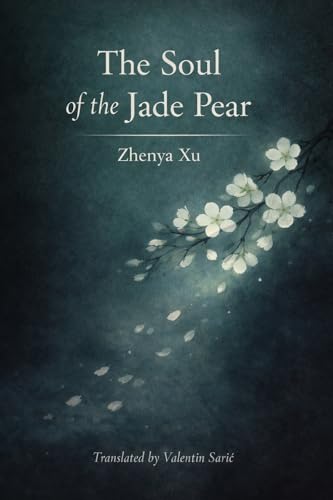
The Soul of the Jade Pear
First English Edition
玉梨魂 (The Soul of the Jade Pear) is a lyrical early-20th-century Chinese novel renowned for its refined prose, emotional introspection, and symbolic use of nature.
Set within a quiet courtyard at the edge of spring, the novel opens with a haunting meditation on falling pear blossoms and the fragile boundary between beauty and impermanence. Through the sensitive inner life of Su Tai Mengxia, a solitary and deeply sentimental observer, the narrative explores loneliness, unfulfilled longing, aesthetic devotion, and the quiet dignity of emotional fidelity.
Flowers are not mere ornament in this work - they are companions, mirrors of the soul, and vessels of fate. The withering pear blossom and the radiant magnolia stand in silent contrast, reflecting differing destinies, moral temperaments, and emotional truths. Mengxia’s attachment to the fragile pear flower becomes a subtle yet powerful allegory for compassion toward the overlooked, the vulnerable, and the quietly doomed.
Written in an ornate classical style that bridges late imperial sensibility and early modern psychological prose, The Soul of the Jade Pear belongs to a literary tradition where emotion, symbolism, and atmosphere carry greater weight than plot alone. Readers of classical Chinese literature, poetic fiction, and introspective modernist works will find in this novel a slow, immersive, and deeply resonant experience.
This First Complete English Translation preserves the novel’s original tone, imagery, and rhythm while rendering it accessible to contemporary readers. Special care has been taken to maintain the musicality of the prose and the philosophical subtlety of the original text.
Ideal for readers of:
- Classical and early modern Chinese literature
- Symbolist and poetic fiction
- Literary works focused on solitude, emotion, and impermanence
- Readers who value atmosphere and introspection over action-driven narratives
At a glance
About the series
Rediscover the great epics, mysteries and chronicles of dynastic China: gods and generals, swindlers and scholars, courtesans, ghosts and emperors, in complete English translations.